


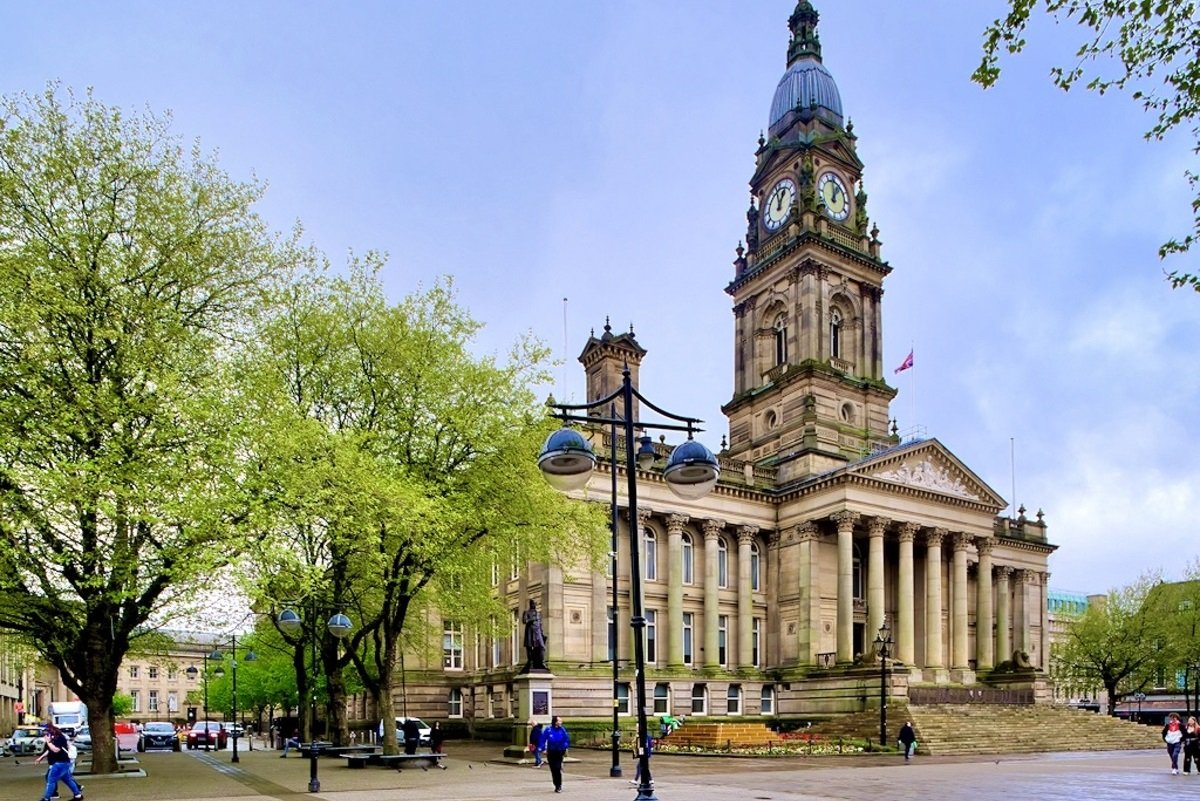
Bolton is the place of my birth. It was in 1933 that successful Yorkshire writer, JB Priestley, famous for his book The Good Companions, drove from Manchester via Bolton towards Blackpool. His aim was to gather material for a book which was later published as English Journey. Of my home town, Bolton, where I was just emerging from my mother’s womb, he wrote: “…the ugliness is so complete that it is almost exhilarating. It challenges you to live there”.
Certainly there were slums and factories, especially on the east side where he was driving. But Priestley obviously did not know much about this town of about 170,000 with its parks and gardens, especially Queen’s, opened 1866, and Moss Bank, where I used to roam with only my childhood dreams for company, and all those miles of moorland where I rambled with dad and sister Margaret, to Rivington Pike and beyond.
We rode by bus past the famous Horwich Locomotive Works, opened in 1886, to the terminus and started our tramp. We did not know that it was due to the mass trespass of September 1896 that the owner, Richard Ainsworth, was forced to open the road which he wanted closed for his grouse shooting.
A Bolton residence
When my mother started to buy our home in Ainsworth Lane, I feel sure she did not know that the ground rent she paid went to Colonel Ainsworth. She had used her savings as a cinema projectionist to put down the deposit. The house was much better than average terraced houses. Like the other houses it had a tiny garden which gave privacy from the street. Inside, it had a corridor, with a sitting room to the right. Next came the stairway and beyond, the dining room. A very small wooden add-on housed the cooking and washing facilities. A flush toilet was accommodated at the bottom of a small yard. Upstairs were two bedrooms and a newly furnished bathroom.
Up Ainsworth Lane, from where we lived, new houses were being built. A short walk away on Bury Road there were any number of shops. A regular bus service was available to the centre of Bolton. We used it for Saturday visits to the 1855 Market Hall, a listed building, and the ‘pictures’.
The family
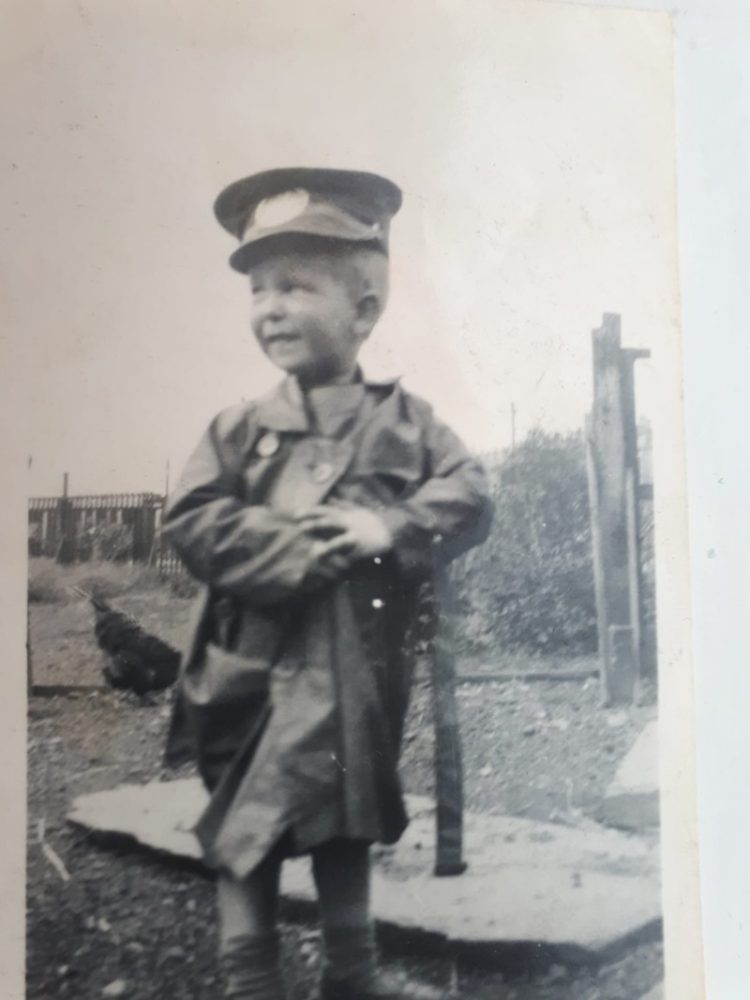
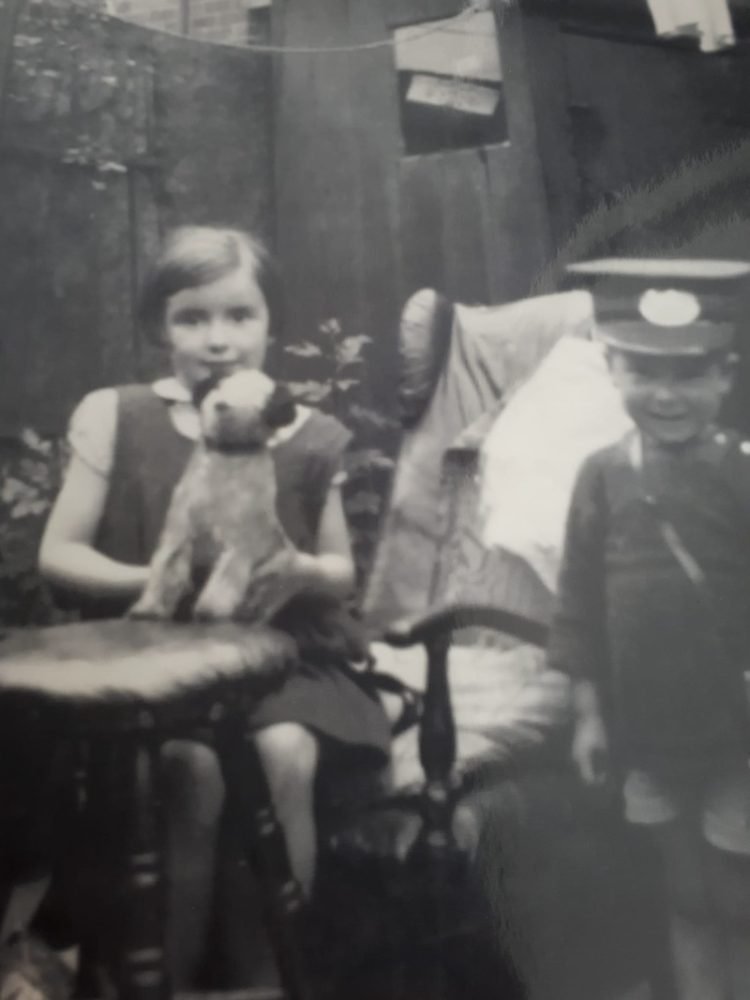
Although that did not trouble me at that time, I met few relatives. My mother’s only brother, Thomas, died of wounds in the Great War. Both her cousins, the ‘sergeants’, with whom she had been brought up, were wounded. All three were volunteers, like my father. He was invalided out with a good reference. His father died of TB before the war. My mother’s father died in the Spanish flu epidemic at the end of it. My father’s mother died in severe pain, an inquest was told. We never knew who our mother’s mother was, but she was probably of Irish Catholic background.
As the Labour movement gained ground, the only ‘Bolshie’ was my mother’s aunt, Margaret Alice, a widow, who brought her up as well as the sergeants and Auntie Florrie. Florrie was a factory worker before being tempted to play football by Dick Kerr who founded Dick, Kerr Ladies FC in Preston, Lancashire, as a World War I-era works team for the company Dick, Kerr & Co. They played in charity fixtures against similar teams around the country and raised money for injured servicemen during and after the war.
Politics
Florrie had almost certainly been influenced by the sergeants as a child. She came occasionally to see us in Ainsworth Lane, by then a car-driving nurse. Their aunt with whom they lived for years was undoubtedly a suffragist who influenced them in that direction. She took them to the Socialist Club in Wood Street, where they attended the Socialist Sunday School. Meetings included hymns with words by socialists such as Edward Carpenter, William Morris, and Bolton writer Allen Clarke. Mother of two, our mother, was undoubtedly influenced leftwards by Margaret Alice.
Despite that, I do not recall my parents discussing party politics in those pre-war years. According to the record, Dad later worked at Walker’s Tannery and then, as unemployment was rising, was lucky to get a job as caretaker at Bolton Trustee Savings Bank, where mother’s cousin was the manager. All the bank’s committee had connections to the military and Dad had served with Duke of Lancaster’s Own Yeomanry from 1924 to 1928 and later joined the East Lancashire Cadet Brigade, No 3 Company, and the Boys’ Brigade connected to St Chad’s Church, becoming their commander in 1938.

On the eve of war
One of our rare travels outside Bolton was to go on a day trip to visit Dad’s Boys’ Brigade unit at their annual camp in Scarborough. Margaret and I also roamed a few days adventuring in Fleetwood where we stayed with Florrie’s district nurse colleagues. I remember seeing a lonely-looking RAF biplane flying over the beach. Perhaps the following day, we arrived back in Bolton to see men filling sandbags.
On the next day, the news that Britain was at war was broken by Prime Minister Neville Chamberlain at 11.15am on Sunday 3 September 1939. In a five-minute broadcast, he announced that, as Hitler had failed to respond to British demands to leave Poland, “This country is at war with Germany.” Air raid alarms sounded but it was a false alarm. Dad took out his special constable uniform, steel helmet, truncheon and gas mask … yes, the Second World War had started.


